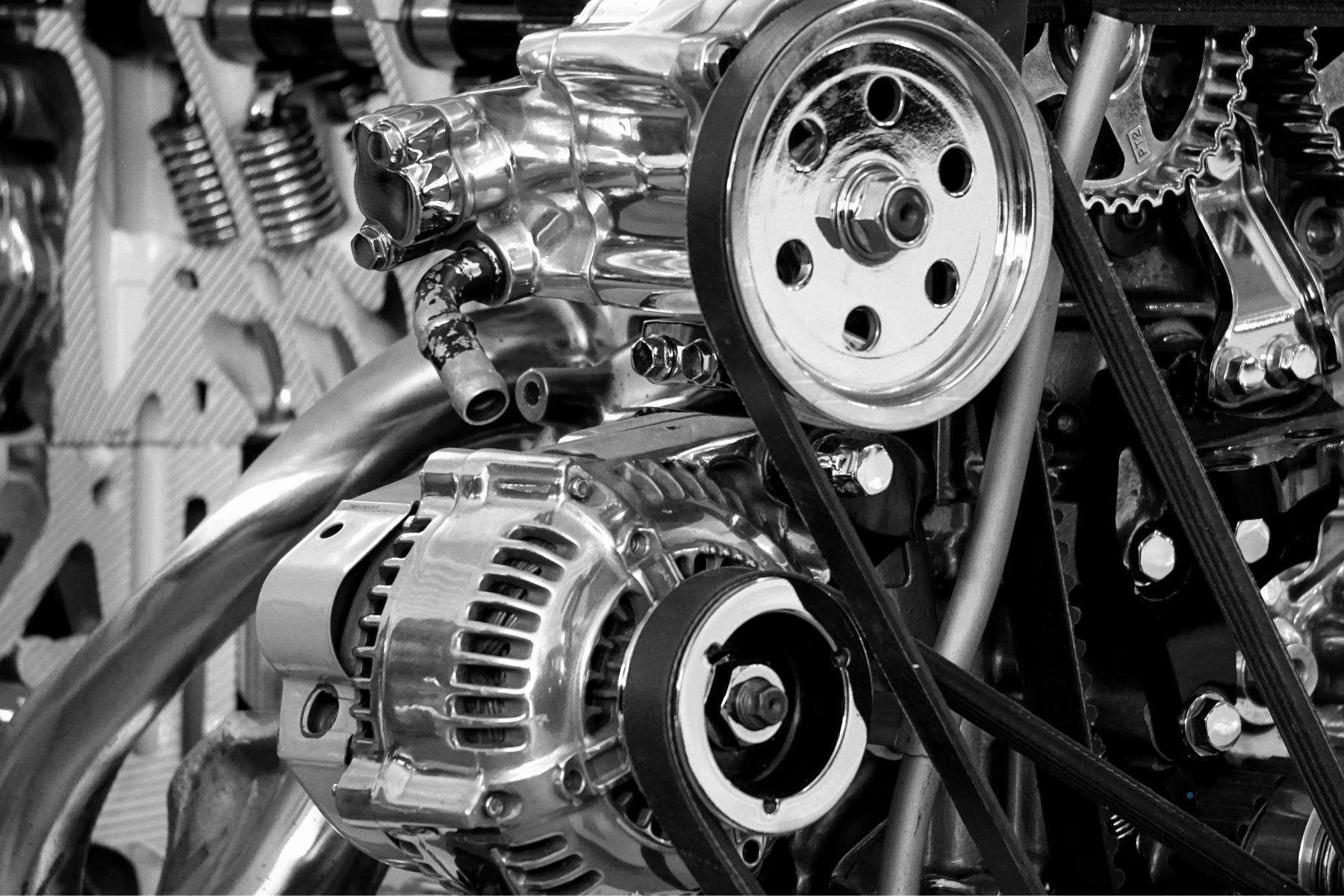
Global carbon emission reduction targets and range optimization for electric vehicles (EVs) have made “lightweighting” strategies mandatory in vehicle architectures. Automotive aluminum die casting components are the most critical building blocks of modern vehicle designs, thanks to their high strength-to-weight ratio compared to steel. At Arena Metal, we leverage our advanced high-pressure die casting technology to manufacture millimetric-precision automotive components for next-generation conventional and electric vehicles.
Lightweighting and Performance Engineering in Vehicle Architectures
In the automotive sector, lightweighting does not just mean fuel savings or extended driving range; it also directly enhances vehicle driving dynamics, braking distance, and axle load distribution. The automotive aluminum die casting components we manufacture contribute significantly to vehicle safety through their high shock absorption capabilities and structural stability.
Instead of traditional sheet-metal welded assembly groups, our advanced aluminum injection molding methods allow us to combine complex, multi-component geometries into a single cast body. For the automotive primary industry (OEMs), this reduces assembly line labor hours and entirely eliminates the risks associated with welding defects.
Components Developed for Next-Generation Electric Vehicles (EVs)
With the rise of electric vehicles, the part geometries and quality criteria expected from the foundry sector have evolved. Arena Metal designs and casts specialized automotive aluminum die casting components tailored to the precise thermal and electrical protection needs of the e-mobility world:
-
Inverter and Converter Enclosures: High-density housings featuring electromagnetic interference (EMI) shielding that protect power electronics from harsh environmental factors.
-
Battery Carriers and Module Components: Structural parts with high ductility designed to ensure the safety of battery cells by absorbing energy during impact.
-
Electric Motor Housings: Complex casting designs featuring integrated water-cooling channels that rapidly dissipate the heat generated by the motor at high RPMs.
Automotive-Specific Quality Assurance and Testing Matrix
Because component failure in the automotive industry directly impacts passenger safety, the acceptable defect rate is strictly set to “0 PPM” (Zero Defects per Million). Every series of automotive aluminum die casting components we produce is verified through a rigorous matrix of mandatory tests compliant with international automotive norms:
| Part Group | Critical Function | Mandatory Test Applied | Relevant Automotive Standard |
| Motor & Transmission Housings | Prevention of oil and fluid leaks, high torque resistance | Dynamic High-Pressure Leak Testing | ISO 15500 / OEM Standards |
| E-Mobility Inverter Boxes | Protection of electronic boards against moisture and dust | Helium Leak Testing & IP6X Dust/Water Tests | IEC 60529 / DIN 40050-9 |
| Steering & Suspension Components | High load-bearing capacity, resistance to sudden impact fractures | Non-Destructive X-Ray Imaging & Tensile-Yield Testing | ASTM E155 / EN 12680 |
| Structural Chassis Elements | Vehicle body integrity, corrosion resistance | Salt Spray Testing & Metallurgical Microstructure Analysis | ISO 9227 / ASTM B117 |
Material Technology: Automotive-Grade Custom Alloys
Standard aluminum alloys do not always deliver the mechanical performance required by automotive components. Depending on the component’s specific function, Arena Metal utilizes specialized automotive alloys rich in silicon and magnesium (such as AlSi10Mg, AlSi7Mg, AlSi9Cu3) that are highly suitable for post-casting heat treatments (e.g., T6). These alloys grant components high yield strength and excellent ductility, allowing them to bend and absorb collision energy rather than fracturing upon impact.
Automotive-Standard Surface Treatments and Corrosion Resistance
Aluminum parts operating under the vehicle chassis or inside the engine bay are constantly exposed to harsh environmental conditions such as mud, water, salt, and extreme temperatures. To ensure corrosion resistance and to guarantee that the component lifespan matches the vehicle’s lifespan, our automotive aluminum die casting components undergo specialized surface treatment processes:
-
Shot Blasting: The surface is bombarded with stainless steel beads to relieve micro-stresses on the component surface post-casting, achieving a uniform matte finish.
-
Chromating / Passivation: A chemical film layer is formed on the component surface prior to painting or coating to boost oxidation resistance.
-
Electrophoretic Coating (E-Coat) Compatibility: Components are delivered with the ideal surface roughness (Ra values) optimal for cathodic electrodeposition (E-coat) lines, enabling them to withstand the rigorous salt spray testing hours demanded by automotive standards.
Frequently Asked Questions (FAQ)
What is the importance of the IATF 16949 standard for automotive aluminum die casting components?
IATF 16949 is the most prestigious quality management standard for the global automotive industry. It mandates continuous improvement, defect prevention, and the reduction of variation in the supply chain. Compliance with these standards provides OEMs with the ultimate assurance of defect-free product delivery.
Why are leak-tightness criteria much stricter for electric vehicle components?
In electric vehicles, even a single drop of water or moisture penetrating components like the inverter or battery can cause high-voltage short circuits and fire hazards. Therefore, EV automotive aluminum die casting components are subjected to far more rigorous and high-bar sensitive leak tests (such as Helium or Air decay) compared to traditional combustion engine parts.
Can chassis numbers or traceability codes be engraved directly onto the components?
Yes. To meet the automotive sector’s high demand for component traceability, we can integrate date indicators directly into the casting mold. Additionally, custom lot numbers, part codes, and 2D DataMatrix codes can be engraved onto each individual component post-casting using advanced laser marking methods.